Will Roberts says something that brings millions to tears: ‘I’ve been blessed so much by God!’
Will Roberts says something that brings millions to tears: ‘I’ve been blessed so much by God!’
A highly calculated, emotionally charged text block is systematically circulating across alternative health blogs, parenting groups, and social media feeds: “BREAKING: AFTER WEEKS OF FEAR, PAIN, AND UNCERTAINTY, WILL ROBERTS JUST SHARED THE WORDS MILLIONS HAD BEEN HOPING TO HEAR... 'I feel so blessed by God.'... ❤️ His full update and emotional message are waiting below—don’t miss it. 👇👇”
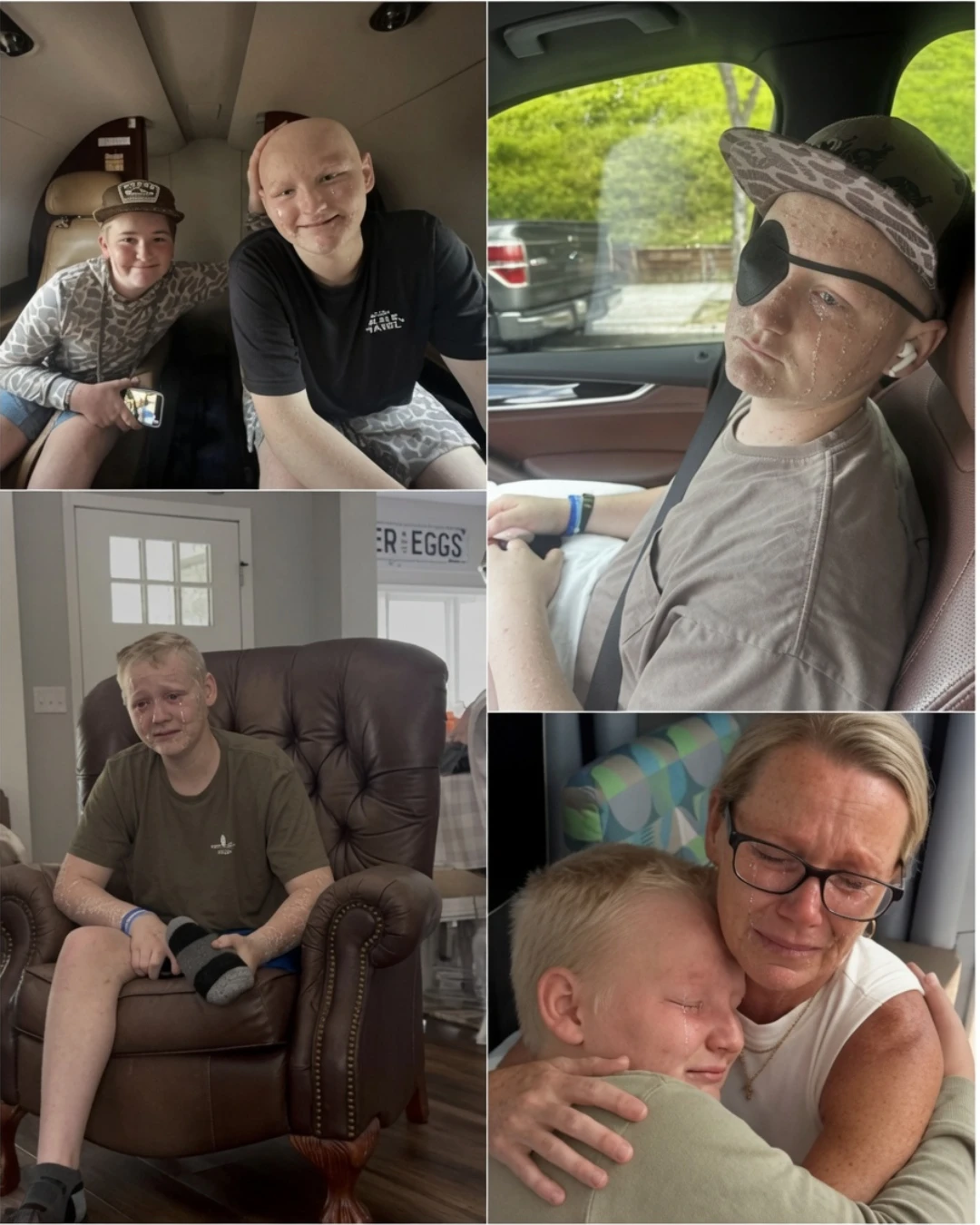
This text template represents a highly predatory variation within the modern digital landscape known as "Parasitic Identity Scrape and Emotional Trajectory Mining." Unlike completely fabricated ghost stories that use nameless, fictional characters, this format identifies a real, living teenager undergoing an incredibly intense, highly documented public medical hardship. It takes his real identity, real age, and true expressions of faith, then wraps them inside an artificial, high-drama narrative sequence engineered exclusively by automated algorithms.
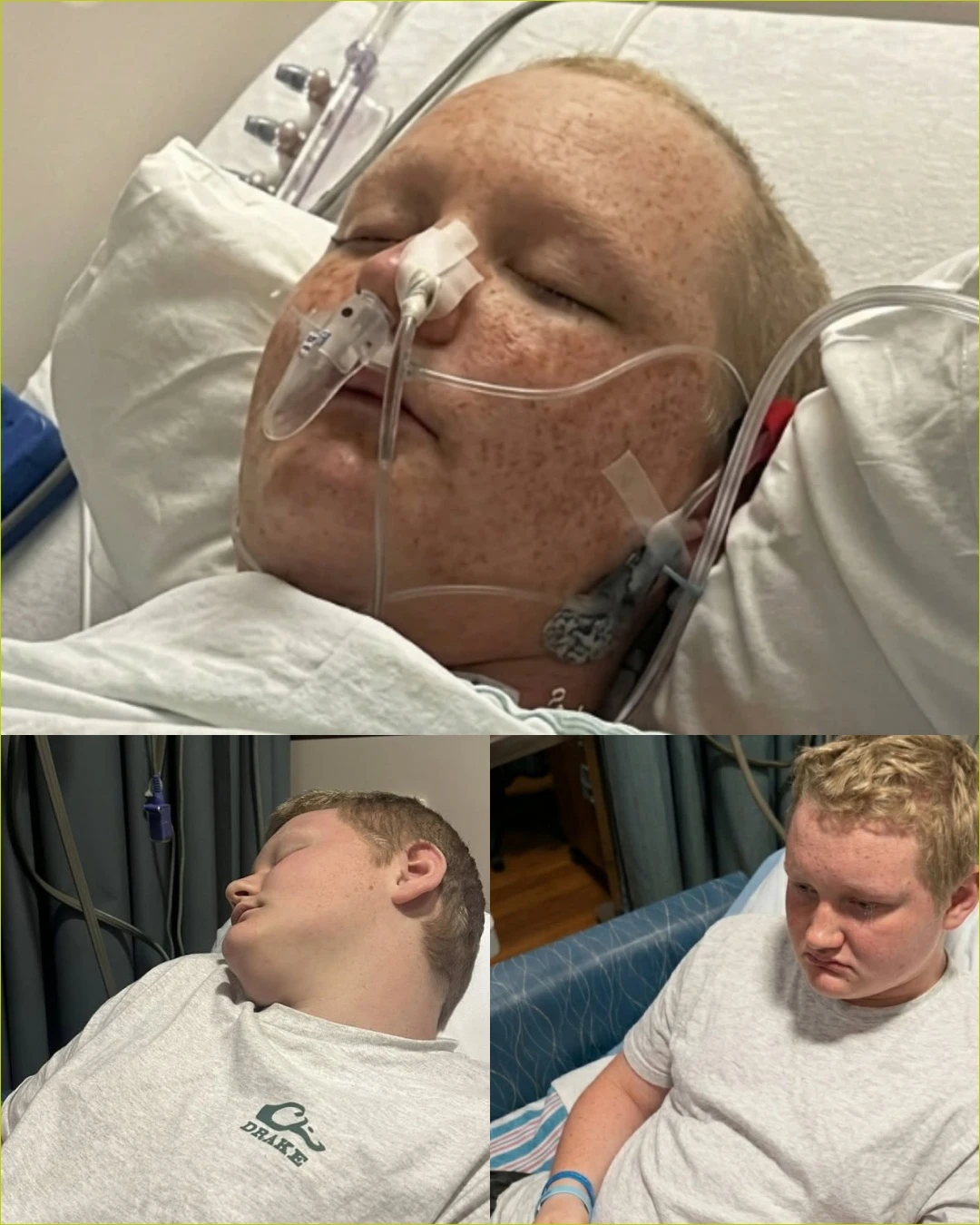
Before executing a comprehensive forensic and economic breakdown of this information operation, the critical boundary between real human courage and digital exploitation must be established plainly based on documented medical registries, local news dockets, and verified parental updates: Will Roberts is a real, phenomenally brave 15-year-old teenager from Ralph, Alabama, who is legitimately battling stage 4 osteosarcoma (an aggressive bone cancer) and has traveled to California for experimental medical treatments. However, the sensationalized, frantic distribution network surrounding his name on social media—including invented stories about sudden late-night "ICU emergencies," fake political crossovers, and fictional family members—is an industrialized traffic-harvesting hoax. The genuine updates from Will's family have been aggressively scraped and weaponized by automated content farms exclusively to drive user traffic to predatory, ad-heavy digital funnels.
The core mechanism of this specific update is the exploitation of human relief. After feeding readers alarming, manufactured medical crises for weeks, the content network shifts to an inspirational pivot ("I feel so blessed by God") to drop the reader's critical defenses. By framing this moment around an ambiguous cliffhanger ("His full update and emotional message are waiting below... 👇👇"), the automated network forces the reader to look for immediate details by executing an outbound click on a tracking link hidden in the pinned comment thread. Let us systematically dismantle the structural mechanics of this text, decode the psychological triggers used to manipulate human behavior, and map the precise digital architecture of the traffic-harvesting funnel.
1. The Real-World Fight vs. The Fictionalized Soap Opera

To maintain absolute media literacy against modern online manipulation, we must look past the emotional language and separate the actual, inspiring journey of the Roberts family from the parasitic fictional subplots constructed by automated scripts.
The Documented Reality of Will Roberts

The real-world story of Will Roberts is a testament to community solidarity and personal resilience. Diagnosed with stage 4 osteosarcoma, a rare bone cancer that metastasized to his liver and other areas, Will has faced incredible physical challenges, including the amputation of his left leg from the knee. Supported by his parents, Jason and Brittney Battles Roberts, and documented regionally by veteran Alabama journalists like Rick Karle, Will's true journey went viral with over 6 million views when he publicly petitioned for access to an experimental drug called DeltaRex-G.
Thanks to overwhelming community support that raised over $500,000 and intervention by federal medical officials, Will and his parents traveled to the Sarcoma Oncology Center in Santa Monica, California, to receive the treatment. Will released an incredibly high-spirited, genuine video showing his recent medical scans. With a calm, peaceful smile, he pointed out that the tumors in his liver had dramatically decreased, exclaiming: "We serve a God and God is bigger. Every single bit of this is just a disease and God is bigger."
The Explicit Warnings Against the Content Farms
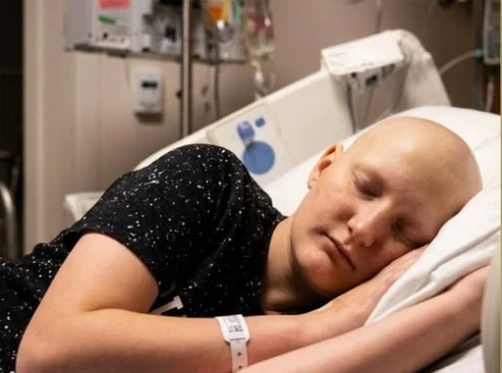
Because of the massive visibility and deeply emotional nature of Will's fight, automated content-farming software immediately flagged his identity as a high-yield traffic asset. These networks began scraping public photos from his mother's profile, generating dozens of unauthorized clone pages. The situation became so severe that journalist Rick Karle and the Roberts family issued explicit public warnings:
"The best way to get the latest on Will is by following mom Brittney's Facebook page at Brittney Battles Roberts... The family has warned supporters about fraudulent pages spreading misinformation regarding the Roberts family."
These predatory pages take Will's real, beautiful words of faith and splice them into completely fabricated, alarming contexts. They invent sudden medical emergencies, fake family members (like "Charlie and Granny"), or chaotic political crossovers to keep their audience in a perpetual state of anxiety and engagement.
2. The Narrative Strategy: The Psychology of the Inspirational Pivot
Automated content networks do not design their copy by accident; they build them to exploit specific blind spots in human cognitive processing. This script operates on three distinct psychological triggers:
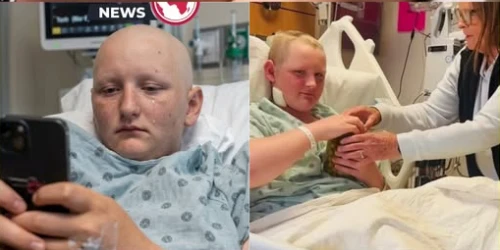
Weaponizing Emotional Relief
The script masterfully relies on an optimization technique known as "Emotional Whiplash." For multiple posting cycles, the algorithm feeds its audience terrifying, high-stress scenarios (such as midnight hospital rushes, severe pain, and sudden failures of self-reliance). Once the audience is deeply anxious, the algorithm delivers a sudden update featuring a smile and a message of profound gratitude ("I feel so blessed by God").
This transition triggers a massive wave of psychological relief in the reader. When the human brain experiences a sudden drop in anxiety paired with an inspirational message, it releases dopamine, which lowers analytical defenses. The reader becomes so swept up in the joy of the "good news" that they completely forget to check if the page publishing the story is a legitimate source.
The Manipulation of the Zeigarnik Effect
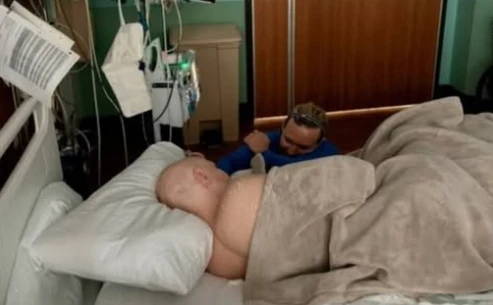
Despite the positive tone of the quote, the text refuses to actually explain the context of the medical scans or the underlying reality of his treatment. It asks a series of open-ended questions and states that his "full update and emotional message are waiting below."
This relies on the Zeigarnik Effect, creating an artificial information vacuum in the reader's mind. To achieve cognitive closure and find out what happened "behind the scenes," the reader is directed straight to the monetized link in the comment section.
3. The Digital Economics of the Programmatic Traffic Funnel
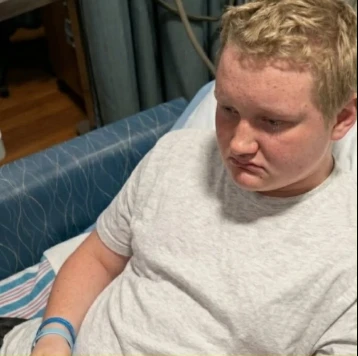
The inspirational prose, the real-world references, and the sudden unresolved cliffhanger serve an exclusively economic goal: to hijack user curiosity and convert human empathy into digital advertising payments. This setup operates on a strict, multi-tier conversion structure:
| Funnel Phase | Technical Execution | Algorithmic & Financial Objective |
|---|---|---|
| Phase 1: The Clean-Text Hook | The page publishes the narrative entirely as raw text, keeping the main caption completely free of outbound URLs or marketing hashtags. | Bypasses social media safety algorithms that instantly downrank or shadowban posts containing direct external marketing links. |
| Phase 2: Dwell-Time Optimization | Employs intense, emotionally charged keywords ("cancer warrior," "unexpected setbacks," "blessed by God"). | Slows down the user's scrolling speed, maximizing dwell time. This signals the platform's algorithm that the content is highly viral, forcing it into global discovery feeds. |
| Phase 3: The Directional Pinned Link | Drops an obfuscated tracking link (bit.ly, tinyurl) in the pinned comment thread, labeled with hands pointing down (👇👇). |
Forces the user's browser out of the social network and through a series of automated ad-networks to maximize Pay-Per-Click (PPC) payout. |
When a well-meaning supporter or prayerful citizen opens that comment thread and clicks that shortened tracking link expecting to see Will’s actual video update or a legitimate statement from his mother, they are never met with real documentation. Instead, their browser is forced through multiple rapid domain redirects straight to a low-tier, anonymous ad-farm landing page. These pages are crowded with intrusive pop-up advertisements, auto-playing video blocks, fake system warnings, and data-mining tracking cookies. The creators of the automated social page receive a direct financial micropayment for every unique click generated, successfully converting your genuine desire for human relief and spiritual solidarity into digital ad cents.
Conclusion: Protecting Vulnerable Families Through Media Literacy
The serious reality of medical emergencies, the exhausting labor of pediatric healthcare professionals, and the profound privacy of families navigating life-and-death crises are authentic human experiences that deserve to be protected from digital exploitation. Transforming a real child's battle with stage 4 bone cancer into a fictional, cliffhanger-driven click-bait script to harvest advertising clicks degrades public media literacy and actively pollutes digital information spaces.
To keep your digital space clean and protect your attention from automated manipulation, practice three foundational habits:
-
Starve the Traffic Funnel: If a social media post tells a highly emotional story about a real patient but cuts off at a dramatic cliffhanger and commands you to click an unverified link in the comments for the conclusion, it is a monetized click trap. Never click the link.
-
Go Directly to Official Sources: If you genuinely want to follow and support Will Roberts' journey, bypass the anonymous aggregator pages entirely. Look exclusively for updates directly published by his mother, Brittney Battles Roberts, or the verified profiles of regional journalists like Rick Karle who maintain direct communication with the family.
-
Report Deceptive Content Farms: Take three seconds to use your platform's reporting tools to flag these highly sensationalized text blocks for spreading targeted spam, misleading metadata, and deceptive link-farming.
Real media literacy requires us to stand firmly on the side of documented facts. Let us honor the gravity of real-world medical struggles and the authenticity of a young man's genuine faith by relying entirely on authenticated outlets, protecting our online networks from automated manipulation, and completely refusing to hand our valuable attention over to networks trading human emotions and manufactured chaos for profit.
Comments 0